Total Cost of Ownership vs. Leasing: Why Leasing Tank Containers Makes Commercial Sense
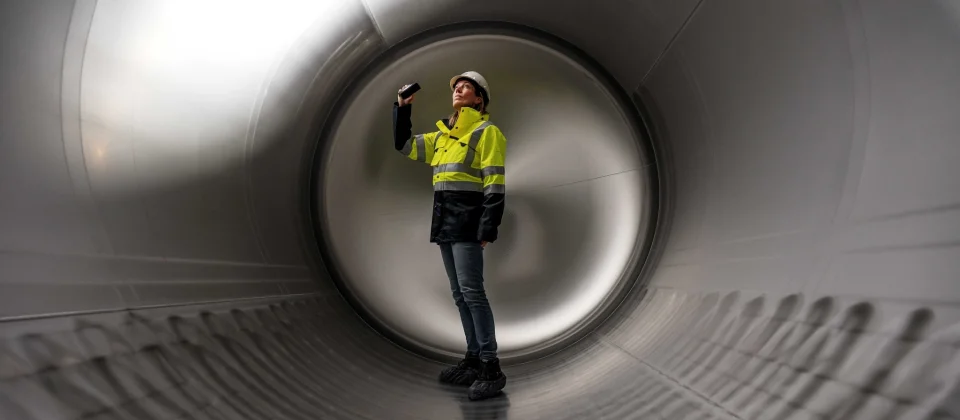
In bulk logistics, tank containers are essential but owning them isn’t always the smartest financial decision. When looking beyond the purchase price and focusing on Total Cost of Ownership (TCO), leasing often delivers greater flexibility, lower risk, and stronger commercial outcomes.
Understanding Total Cost of Ownership
Total Cost of Ownership includes every cost associated with a tank container over its lifecycle. From acquisition and maintenance to testing and inspections, downtime, and compliance. While ownership may seem attractive on paper, these ongoing costs can quickly add up and impact operational efficiency.
Why Leasing Often Outperforms Ownership
Leasing tank containers lets logistics operators keep product moving and enables production companies to stay focused on output, rather than asset ownership.
Key advantages of leasing include:
- Lower upfront capital investment
- Predictable costs and cash flow
- Reduced compliance burden
- Scalability to react to market fluctuations
TCO in Practice: Leasing vs Ownership
When all lifecycle costs are considered, leasing can deliver a lower effective TCO, particularly for businesses that value flexibility, uptime, and cashflow. Leasing eliminates concerns around asset downtime, resale value, and long-term maintenance planning. All while compliance and equipment stays up to date.
Leasing with Trifleet
Trifleet’s leased tank containers are built for reliability, safety, and operational performance, ensuring customers benefit from quality equipment without the complexity of ownership.
Looking to optimize costs, reduce risk, and stay flexible? Talk to our team about what leasing tank containers can do for your business or request a quote via https://trifleet.com/request-a-quote.


